What is the difference between a horizontal and vertical bandsaw machine?
Leave a message

What is the difference between a horizontal and vertical bandsaw machine?
As a seasoned supplier in the bandsaw machine industry, I've witnessed firsthand the diverse needs of customers and the crucial role that choosing the right bandsaw machine plays in their operations. One of the most common questions I encounter is about the differences between horizontal and vertical bandsaw machines. In this blog post, I'll delve into the key distinctions, advantages, and applications of each type, helping you make an informed decision for your business.
Structure and Design
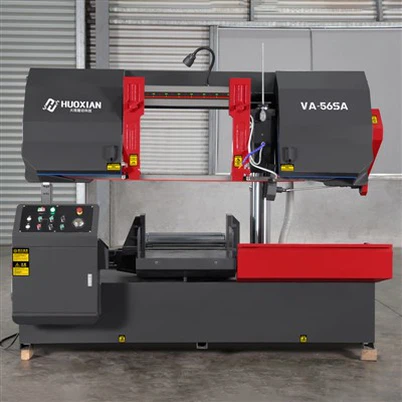
The most obvious difference between horizontal and vertical bandsaw machines lies in their structure and design. A horizontal bandsaw machine has a blade that runs horizontally, with the workpiece placed on a table and the blade cutting through it from above. This design is ideal for cutting long, straight pieces of material, such as metal bars, pipes, and beams. The horizontal orientation allows for easy loading and unloading of large workpieces, making it a popular choice for industrial applications.


On the other hand, a vertical bandsaw machine has a blade that runs vertically, with the workpiece held in place by a vise or other clamping device. This design is better suited for cutting irregular shapes, curves, and angles, as the blade can be easily maneuvered around the workpiece. Vertical bandsaws are commonly used in woodworking, metalworking, and other industries where precision cutting is required.
Cutting Capacity
Another important difference between horizontal and vertical bandsaw machines is their cutting capacity. Horizontal bandsaws typically have a larger cutting capacity than vertical bandsaws, as they are designed to handle larger workpieces. The cutting capacity of a horizontal bandsaw is usually measured in terms of the maximum diameter or width of the material that can be cut, while the cutting capacity of a vertical bandsaw is measured in terms of the maximum height and width of the workpiece.
For example, a typical horizontal bandsaw machine may have a cutting capacity of up to 12 inches in diameter, while a vertical bandsaw machine may have a cutting capacity of up to 6 inches in height and 12 inches in width. However, it's important to note that the cutting capacity of a bandsaw machine can vary depending on the model and manufacturer, so it's always a good idea to check the specifications before making a purchase.
Cutting Speed and Efficiency
The cutting speed and efficiency of a bandsaw machine are also important factors to consider when choosing between a horizontal and vertical bandsaw. Horizontal bandsaws are generally faster and more efficient than vertical bandsaws, as they can cut through large workpieces quickly and easily. The horizontal orientation of the blade allows for a more continuous cutting motion, which reduces the amount of time and effort required to complete a cut.
Vertical bandsaws, on the other hand, are typically slower and less efficient than horizontal bandsaws, as they require more manual manipulation of the workpiece. However, vertical bandsaws are better suited for cutting irregular shapes and curves, which can be difficult or impossible to cut with a horizontal bandsaw.
Applications
The choice between a horizontal and vertical bandsaw machine also depends on the specific applications for which the machine will be used. Horizontal bandsaws are commonly used in industrial applications, such as metal fabrication, construction, and manufacturing, where large workpieces need to be cut quickly and efficiently. They are also ideal for cutting long, straight pieces of material, such as metal bars, pipes, and beams.
Vertical bandsaws, on the other hand, are commonly used in woodworking, metalworking, and other industries where precision cutting is required. They are ideal for cutting irregular shapes, curves, and angles, as well as for making intricate cuts and joints. Vertical bandsaws are also popular among hobbyists and DIY enthusiasts, as they are relatively easy to use and can be used to create a variety of projects.
Advantages of Horizontal Bandsaw Machines
- High cutting capacity: Horizontal bandsaws can handle large workpieces, making them ideal for industrial applications.
- Fast cutting speed: The horizontal orientation of the blade allows for a more continuous cutting motion, which reduces the amount of time and effort required to complete a cut.
- Easy loading and unloading: The horizontal design of the machine makes it easy to load and unload large workpieces, which improves productivity.
- Versatility: Horizontal bandsaws can be used to cut a variety of materials, including metal, wood, and plastic.
Advantages of Vertical Bandsaw Machines
- Precision cutting: Vertical bandsaws are better suited for cutting irregular shapes, curves, and angles, which makes them ideal for precision cutting applications.
- Maneuverability: The vertical orientation of the blade allows for easy maneuvering around the workpiece, which makes it easier to make intricate cuts and joints.
- Compact design: Vertical bandsaws are typically more compact than horizontal bandsaws, which makes them ideal for small workshops and home use.
- Affordability: Vertical bandsaws are generally less expensive than horizontal bandsaws, which makes them a more affordable option for hobbyists and DIY enthusiasts.
Our Product Recommendations
As a bandsaw machine supplier, we offer a wide range of horizontal and vertical bandsaw machines to meet the diverse needs of our customers. Here are some of our recommended products:
- Steel Cutting Vertical Bandsaw: This vertical bandsaw is designed for cutting steel and other metals. It features a powerful motor, a high-quality blade, and a durable construction, making it ideal for industrial applications.
- Miter Metal Cutting Machine: This horizontal bandsaw is designed for cutting metal at various angles. It features a mitering mechanism that allows for precise cutting at angles up to 45 degrees, making it ideal for metal fabrication and construction applications.
- Full-automatic Bandsaw Machine: This horizontal bandsaw is fully automated, which means it can cut materials automatically without the need for manual intervention. It features a high-speed motor, a precision cutting system, and a user-friendly control panel, making it ideal for high-volume production applications.
Conclusion
In conclusion, the choice between a horizontal and vertical bandsaw machine depends on a variety of factors, including the specific applications for which the machine will be used, the cutting capacity required, and the budget available. Horizontal bandsaws are generally faster and more efficient than vertical bandsaws, but they are also more expensive and require more space. Vertical bandsaws, on the other hand, are better suited for precision cutting applications and are more affordable and compact.
If you're still unsure which type of bandsaw machine is right for your business, I recommend contacting us for more information. Our team of experts can help you choose the right machine for your needs and provide you with a free quote. We also offer a range of after-sales services, including installation, training, and maintenance, to ensure that your bandsaw machine operates smoothly and efficiently.
Thank you for reading this blog post. If you have any questions or comments, please feel free to leave them below. We look forward to hearing from you!
References
- "Bandsaw Machines: Horizontal vs. Vertical." Industrial Machinery Digest.
- "Choosing the Right Bandsaw for Your Shop." Woodworking Network.
- "Horizontal vs. Vertical Bandsaws: What's the Difference?" The Fabricator.