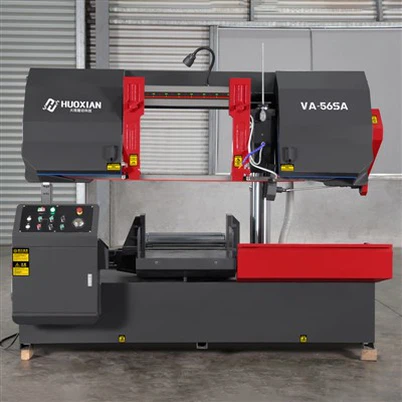
How often should I change the blade of a bandsaw machine?
Leave a message

Determining how often to change the blade of a bandsaw machine is a crucial aspect of maintaining optimal performance and ensuring the longevity of both the blade and the machine itself. As a bandsaw machine supplier, I've encountered numerous customers with questions regarding blade replacement intervals. In this blog post, I'll delve into the factors that influence blade replacement frequency and provide some guidelines to help you make informed decisions.
Factors Affecting Blade Replacement Frequency
Material Being Cut
The type of material you're cutting is one of the most significant factors affecting blade wear. Different materials have varying hardness, density, and abrasiveness, which can cause the blade to dull at different rates. For instance, cutting through softwoods like pine or cedar is generally less demanding on the blade compared to cutting hardwoods such as oak or maple. Similarly, cutting metals like aluminum or brass is less abrasive than cutting steel or stainless steel.
When cutting hard or abrasive materials, the blade teeth are subjected to more stress and wear, leading to faster dulling. As a result, you may need to change the blade more frequently when working with these materials. On the other hand, when cutting softer materials, the blade can last longer between replacements.
Cutting Speed and Feed Rate
The cutting speed and feed rate also play a crucial role in blade wear. Cutting too fast or feeding the material too quickly can put excessive stress on the blade, causing it to dull more rapidly. Conversely, cutting too slowly or feeding the material too slowly can result in inefficient cutting and may also cause the blade to wear prematurely.
It's important to find the right balance between cutting speed and feed rate based on the material being cut and the type of blade you're using. Refer to the manufacturer's recommendations for the optimal cutting speed and feed rate for your bandsaw machine and blade. By following these guidelines, you can minimize blade wear and extend its lifespan.
Blade Quality and Type
The quality and type of blade you choose can significantly impact its durability and performance. High-quality blades are typically made from premium materials and are designed to withstand the rigors of cutting various materials. They often have better tooth geometry and coating, which can reduce friction and heat buildup, resulting in less wear and tear on the blade.


There are different types of bandsaw blades available, each designed for specific applications. For example, a blade with a coarse tooth pitch is suitable for cutting thick materials, while a blade with a fine tooth pitch is better for cutting thin materials or making precise cuts. Choosing the right blade for your specific cutting needs can help ensure optimal performance and extend the blade's lifespan.
Maintenance and Care
Proper maintenance and care of the bandsaw machine and blade are essential for maximizing their lifespan. Regularly cleaning the blade and the machine can prevent the buildup of debris and sawdust, which can cause the blade to dull more quickly. Additionally, lubricating the blade and the machine can reduce friction and heat, which can also help extend the blade's lifespan.
It's also important to inspect the blade regularly for signs of wear and damage. Look for signs of tooth breakage, dullness, or excessive wear on the blade. If you notice any of these signs, it's time to replace the blade.
General Guidelines for Blade Replacement
While the factors mentioned above can vary depending on your specific cutting conditions, here are some general guidelines to help you determine when to change the blade of your bandsaw machine:
Visual Inspection
One of the simplest ways to determine if a blade needs to be replaced is by visually inspecting it. Look for signs of tooth wear, such as dullness, chipping, or breakage. If the teeth are no longer sharp or if there are missing teeth, it's time to replace the blade.
Cutting Performance
Another way to tell if a blade needs to be replaced is by monitoring its cutting performance. If you notice that the blade is cutting slower than usual, producing rough cuts, or generating excessive heat, it may be a sign that the blade is dull and needs to be replaced.
Blade Life Estimates
Some blade manufacturers provide estimates of the blade's lifespan based on the type of material being cut and the cutting conditions. These estimates can be a useful starting point for determining how often to change the blade. However, it's important to note that these estimates are just guidelines and may vary depending on your specific cutting conditions.
Recommended Blade Replacement Intervals
Based on the factors mentioned above, here are some recommended blade replacement intervals for different types of materials:
Softwoods
When cutting softwoods, such as pine or cedar, the blade can typically last between 20 and 40 hours of continuous use. However, this can vary depending on the cutting speed, feed rate, and the quality of the blade.
Hardwoods
When cutting hardwoods, such as oak or maple, the blade may need to be replaced more frequently. Depending on the cutting conditions, the blade may last between 10 and 20 hours of continuous use.
Metals
When cutting metals, such as aluminum or brass, the blade can last between 5 and 10 hours of continuous use. However, when cutting steel or stainless steel, the blade may need to be replaced more frequently, typically after 2 to 5 hours of continuous use.
Conclusion
Determining how often to change the blade of a bandsaw machine is a complex decision that depends on several factors, including the material being cut, cutting speed and feed rate, blade quality and type, and maintenance and care. By considering these factors and following the general guidelines outlined in this blog post, you can make informed decisions about when to replace the blade of your bandsaw machine.
At our company, we offer a wide range of Full-automatic Bandsaw Machine, Wide Panels Sawing Machine, and Pivot Type Semi-Automatic Bandsaw Machine to meet your specific cutting needs. Our machines are designed to provide high performance, reliability, and durability, and we offer a variety of blades to ensure optimal cutting results.
If you're interested in learning more about our bandsaw machines or have any questions about blade replacement, please don't hesitate to contact us. Our team of experts is available to provide you with the information and support you need to make the right decisions for your business.