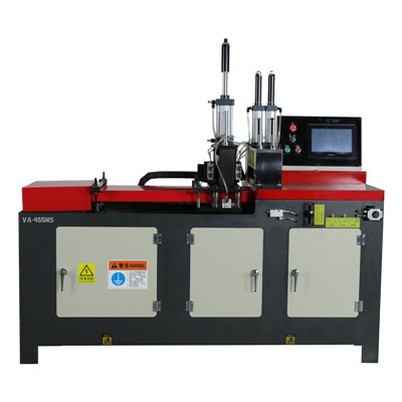
How to avoid over - heating of carbide cold saw blades?
Leave a message

Hey there! As a supplier of Carbide Cold Saw Blades, I've seen my fair share of issues with over - heating. It's a common problem that can really mess up your cutting operations. In this blog, I'll share some tips on how to avoid over - heating of carbide cold saw blades.
Understanding the Problem of Over - heating
First off, let's talk about why over - heating is such a big deal. When a carbide cold saw blade gets too hot, it can lead to a bunch of problems. The heat can cause the carbide tips to lose their hardness and sharpness. This means the blade won't cut as effectively, and you'll end up with rough cuts. Over - heating can also cause the blade to warp, which can make it dangerous to use.
One of the main reasons for over - heating is excessive friction. When the blade is cutting through a material, there's a lot of resistance. If the blade isn't properly maintained or if it's used incorrectly, this friction can build up and generate a ton of heat.
Choosing the Right Blade
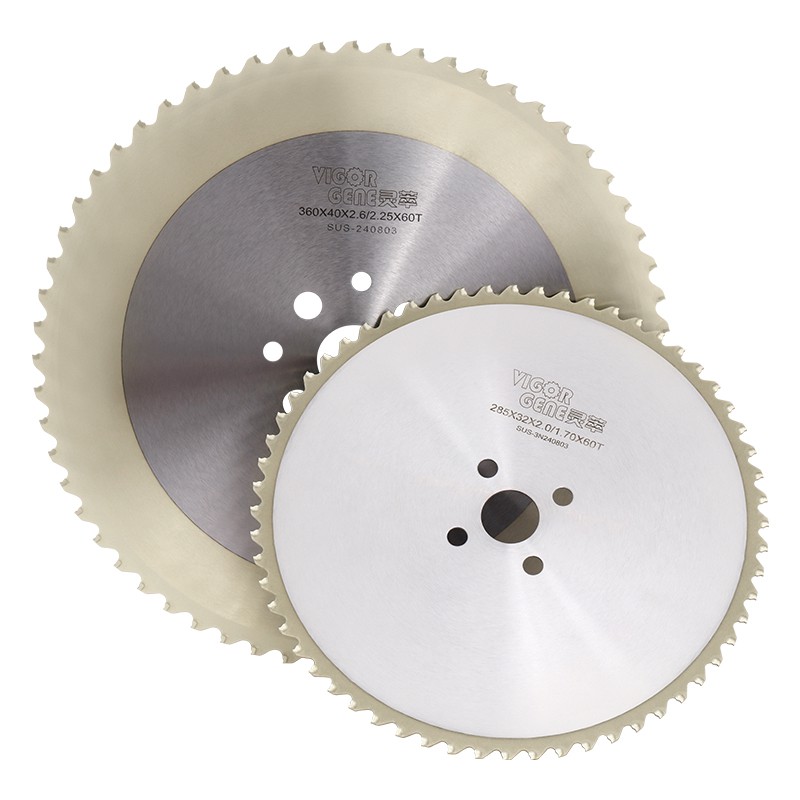
The first step in avoiding over - heating is to choose the right blade for the job. Not all carbide cold saw blades are created equal. You need to consider the type of material you'll be cutting. For example, if you're cutting stainless steel, you'll want to use a blade that's specifically designed for that. Check out our Cold Saw Blades for Cutting Stainless Steel. These blades are made with the right kind of carbide and tooth geometry to handle the tough properties of stainless steel.
The size of the blade also matters. Using a blade that's too small for the job can cause it to work harder, which in turn generates more heat. Make sure you select a blade with the appropriate diameter and width for the material and the cutting machine you're using.
Proper Blade Installation
Once you've chosen the right blade, it's crucial to install it correctly. A poorly installed blade can cause uneven cutting and increased friction, leading to over - heating. Before installing the blade, make sure the arbor and the blade's mounting hole are clean and free of debris.
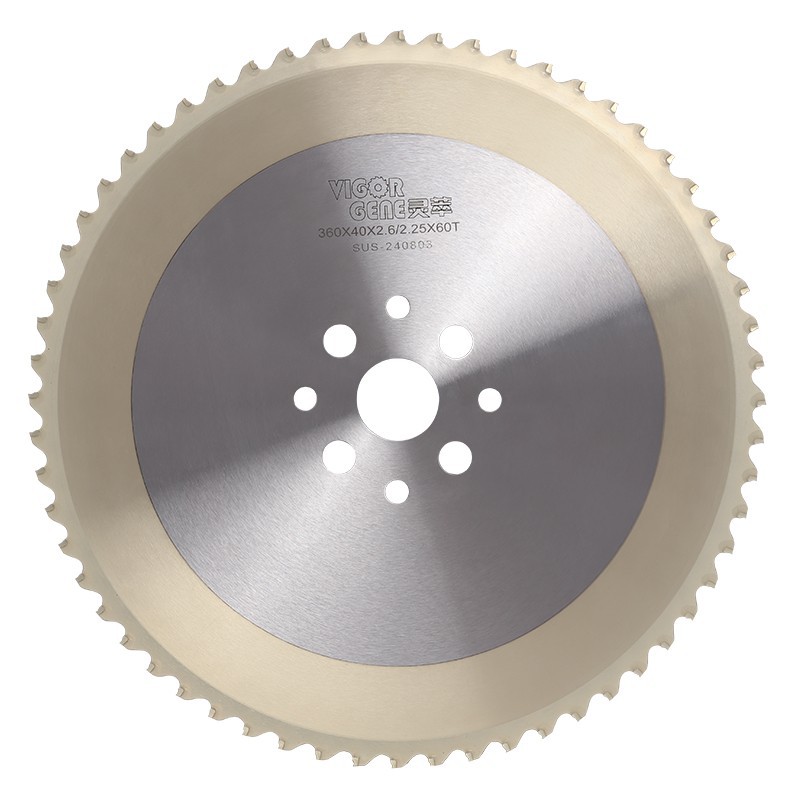
Align the blade properly on the arbor. Use the correct washers and nuts to secure the blade tightly. But don't over - tighten them, as this can also cause problems. A loose blade will wobble during cutting, creating more friction and heat. A blade that's too tightly secured can warp under the pressure.
Cutting Speed and Feed Rate
Controlling the cutting speed and feed rate is another key factor in preventing over - heating. Cutting too fast can generate a lot of heat, as the blade is working harder to remove material. On the other hand, cutting too slowly can also be an issue. If the blade is moving too slowly through the material, it can start to rub rather than cut, which also increases friction and heat.
You need to find the right balance for the specific material you're cutting. Generally, harder materials require a slower cutting speed and a lighter feed rate. Softer materials can usually handle a faster speed and a heavier feed. Experiment a bit to find the optimal settings for your application.
Coolant and Lubrication
Using coolant and lubrication is a no - brainer when it comes to avoiding over - heating. Coolants help to dissipate the heat generated during cutting. They also reduce friction between the blade and the material, which further helps to keep the temperature down.
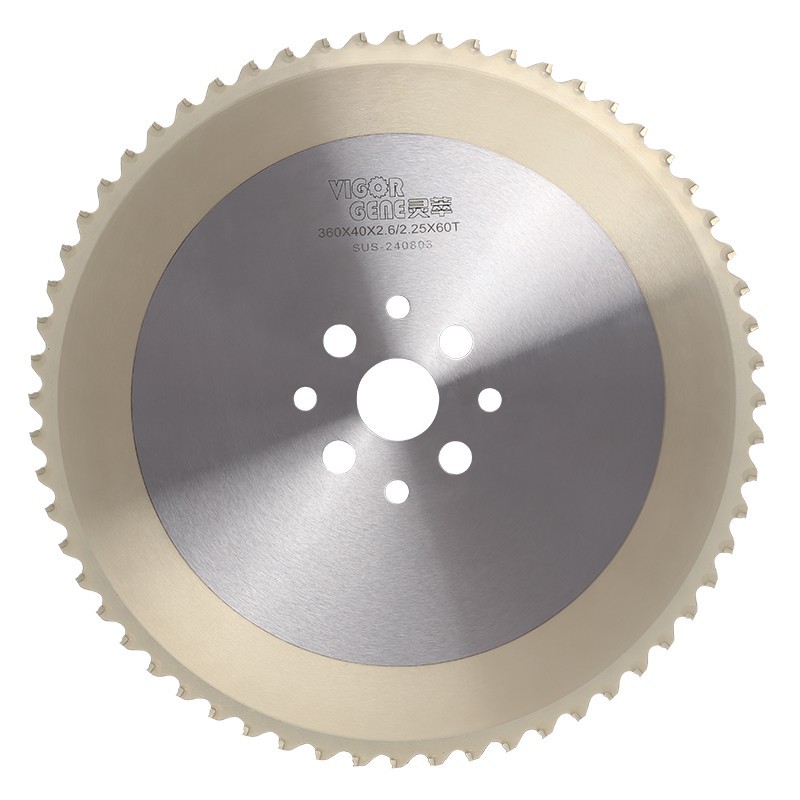
There are different types of coolants available, such as water - based and oil - based. Water - based coolants are generally more environmentally friendly and cost - effective. Oil - based coolants, on the other hand, provide better lubrication and are often used for more demanding cutting applications.
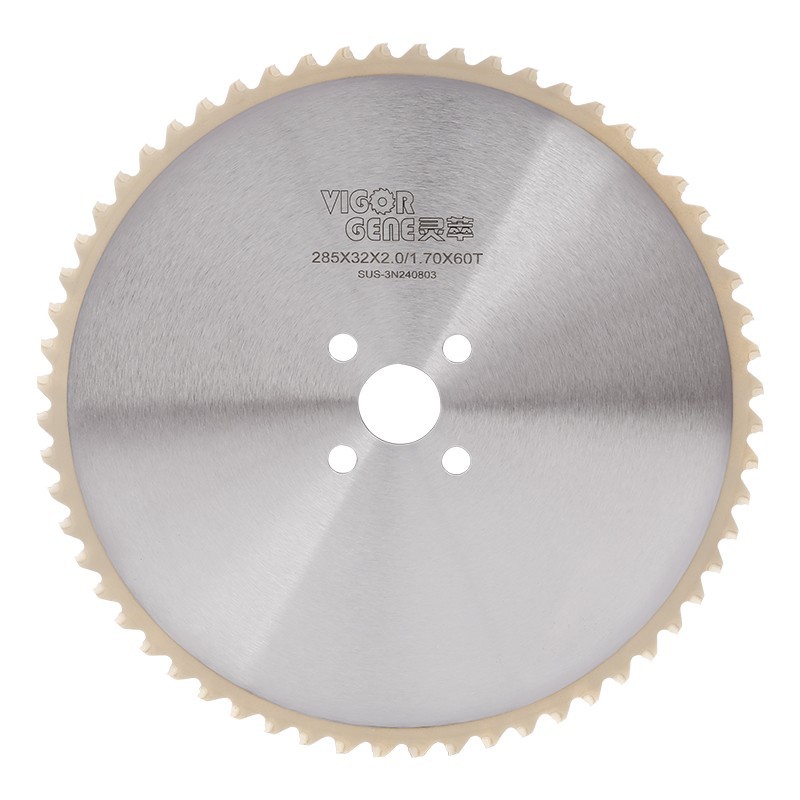
Make sure you apply the coolant correctly. It should be sprayed directly onto the cutting area. Some cutting machines have built - in coolant systems, but if yours doesn't, you can use a separate coolant sprayer.
Regular Blade Maintenance
Regular maintenance is essential for keeping your carbide cold saw blades in good condition and preventing over - heating. After each use, clean the blade to remove any chips and debris. You can use a brush or a mild cleaning solution to do this.
Inspect the blade regularly for signs of wear and damage. If you notice any chipped or missing carbide tips, it's time to replace the blade. Dull blades also generate more heat, so sharpen them when necessary. You can either do this yourself if you have the right equipment or send the blade to a professional sharpening service.
Storage of Blades
Proper storage of your carbide cold saw blades is also important. Store the blades in a dry, clean place. Avoid storing them in areas where they can be exposed to moisture, as this can cause rust and corrosion.
You can use blade storage racks or cases to keep the blades organized and protected. Make sure the blades are stored in a way that they won't get damaged or bent.
Monitoring the Blade Temperature
It's a good idea to monitor the blade temperature during cutting. There are temperature sensors available that you can attach to the blade or the cutting machine. This will allow you to keep an eye on the temperature and take action if it starts to get too high.
If you notice that the blade is getting too hot, stop the cutting operation immediately. Let the blade cool down before continuing. This will help to prevent damage to the blade and ensure a longer lifespan.
Conclusion
Avoiding over - heating of carbide cold saw blades is all about taking the right precautions. Choose the right blade for the job, install it correctly, control the cutting speed and feed rate, use coolant and lubrication, maintain the blade regularly, store it properly, and monitor the temperature. By following these tips, you can ensure that your carbide cold saw blades last longer and perform better.
If you're in the market for high - quality Carbide Tipped Cold Saw Blades or Carbide Cold Saw Blades, we've got you covered. We offer a wide range of blades that are designed to meet your specific cutting needs. If you have any questions or want to discuss your requirements, don't hesitate to reach out. We're here to help you make the best choice for your cutting operations.
References
- Cutting Tool Engineering Handbook
- Industry standards and guidelines for cold saw blade usage