

What safety precautions should I take when using cold cut saw blades?
Leave a message

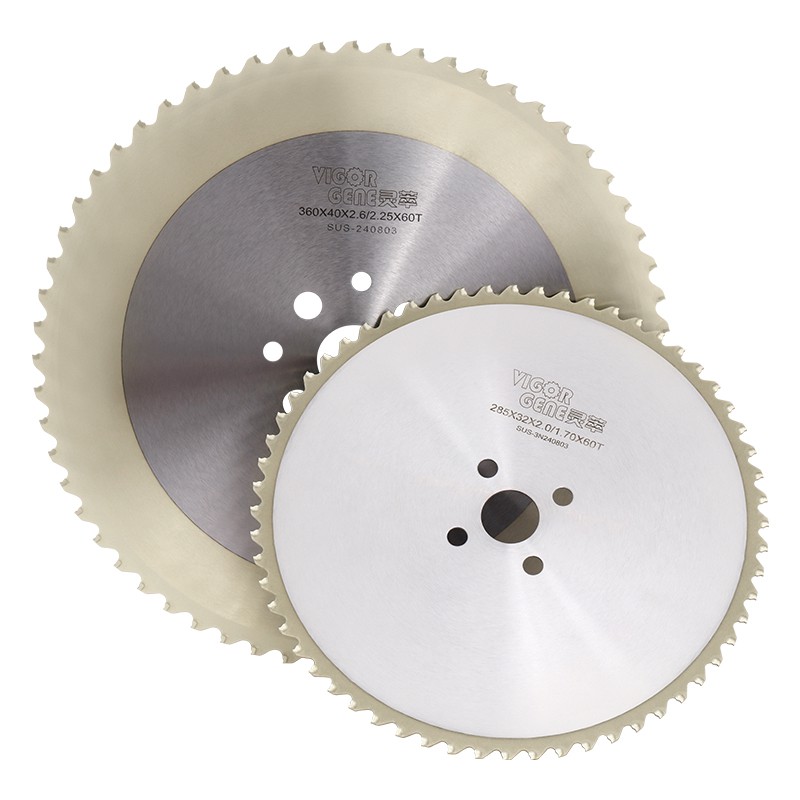
When it comes to using cold cut saw blades, safety should always be your top priority. As a supplier of high - quality cold cut saw blades, including Carbide Cold Saw Blades, Carbide Circular Cold Saw Blade, and Cold Cut Circular Saw Blade, I understand the importance of proper safety precautions. In this blog, I will share some essential safety tips to ensure that you can use our products safely and effectively.

Personal Protective Equipment (PPE)
Wearing appropriate personal protective equipment is the first line of defense when using cold cut saw blades.
- Safety Glasses: Always wear safety glasses to protect your eyes from flying debris. When the saw blade cuts through the material, small chips and particles can be ejected at high speeds. Safety glasses with side shields provide the best protection, as they prevent debris from entering from the sides.
- Hearing Protection: Cold cut saws can be quite noisy, especially when operating at high speeds. Prolonged exposure to high - decibel noise can cause hearing damage. Use earplugs or earmuffs to reduce the noise level and protect your hearing.
- Gloves: Choose gloves that are cut - resistant. This is crucial because you may come into contact with the blade accidentally during setup, adjustment, or cleaning. However, make sure the gloves are not too loose, as loose gloves can get caught in the saw's moving parts.
- Respirator: If you are cutting materials that generate dust, such as wood or some plastics, wearing a respirator is necessary. Dust inhalation can lead to respiratory problems, including allergies, asthma, and even more serious lung diseases. A particulate respirator can filter out harmful dust particles.
- Protective Clothing: Wear long - sleeved shirts and long pants to protect your skin from cuts and abrasions. Avoid wearing loose - fitting clothing, as it can get caught in the saw blade or other moving parts of the saw.
Saw Setup and Inspection
Proper setup and regular inspection of the saw and the blade are vital for safe operation.
- Blade Installation: When installing the cold cut saw blade, make sure it is properly centered and tightened. An improperly installed blade can cause uneven cutting, vibration, and even blade dislodgment. Refer to the saw's manual for the correct installation procedure.
- Inspect the Blade: Before each use, carefully inspect the blade for any signs of damage, such as cracks, chips, or dull teeth. A damaged blade can break during operation, posing a serious safety hazard. If you notice any damage, replace the blade immediately.
- Check the Saw: Inspect the saw itself for any loose parts, damaged switches, or frayed cords. Make sure the saw is properly grounded to prevent electrical shock. Also, check the saw's guard to ensure it is in place and functioning correctly. The guard helps to prevent accidental contact with the blade.
- Adjust the Cutting Parameters: Set the appropriate cutting speed, feed rate, and depth of cut according to the material you are cutting and the specifications of the saw blade. Using incorrect cutting parameters can overheat the blade, reduce its lifespan, and increase the risk of accidents.
Operating Procedures
Adopting correct operating procedures is essential for safe use of cold cut saw blades.
- Secure the Material: Before starting the saw, make sure the material to be cut is firmly secured. Use clamps or a vise to hold the material in place. An unsecured material can move during cutting, causing the blade to bind or kick back.
- Start the Saw Properly: Turn on the saw and let it reach full speed before making contact with the material. This ensures a smooth and even cut. Do not force the blade through the material; let the blade do the work at its own pace.
- Maintain a Safe Distance: Keep your hands and body away from the blade during operation. Do not reach over the blade or place your hands too close to the cutting area. Use push sticks or other appropriate tools to guide the material through the saw when necessary.
- Do Not Overload the Saw: Do not attempt to cut materials that are too thick or hard for the saw blade or the saw itself. Overloading the saw can cause the motor to overheat, the blade to break, and increase the risk of accidents.
- Stop the Saw Properly: After completing the cut, turn off the saw and wait for the blade to come to a complete stop before removing the material or making any adjustments. Do not attempt to stop the blade with your hands.
Maintenance and Storage
Proper maintenance and storage of the cold cut saw blade also contribute to safety.

- Clean the Blade Regularly: After each use, clean the blade to remove any debris, chips, or resin buildup. Use a soft brush and a suitable cleaning agent. A clean blade will cut more efficiently and last longer.
- Sharpen or Replace the Blade: As the blade wears down, its cutting performance will decrease. Regularly check the sharpness of the blade and sharpen it or replace it when necessary. A dull blade can cause rough cuts, increase the risk of blade binding, and require more force to operate, which can be dangerous.
- Store the Blade Properly: When not in use, store the blade in a dry, clean place. Use a blade storage case or a blade holder to protect the blade from damage. Do not stack heavy objects on top of the blade, as this can cause it to bend or break.
Training and Education
Proper training and education are key to safe use of cold cut saw blades.

- Read the Manual: Before using the saw and the blade, carefully read the manufacturer's manual. The manual contains important information about the saw's operation, maintenance, and safety precautions.
- Receive Training: If you are new to using cold cut saws, it is recommended that you receive training from a qualified professional. Training can teach you the correct operating procedures, safety tips, and how to troubleshoot common problems.
- Stay Informed: Keep up - to - date with the latest safety standards and best practices for using cold cut saw blades. Attend safety seminars or read industry publications to learn about new safety technologies and techniques.
In conclusion, using cold cut saw blades safely requires a combination of proper personal protective equipment, correct saw setup and inspection, safe operating procedures, regular maintenance and storage, and adequate training and education. As a supplier of Carbide Cold Saw Blades, Carbide Circular Cold Saw Blade, and Cold Cut Circular Saw Blade, we are committed to providing you with high - quality products and ensuring your safety. If you have any questions about our products or safety precautions, please feel free to contact us for further information and to discuss your procurement needs.
References
- American National Standards Institute (ANSI). Safety standards for portable and stationary power tools.
- Occupational Safety and Health Administration (OSHA). Guidelines for safe operation of cutting tools.
- Manufacturer's manuals for cold cut saws and saw blades.


