What materials can a circular saw machine cut?
Leave a message

Hey there! I'm a supplier of circular saw machines, and today I'm gonna spill the beans on what materials these bad boys can cut. Circular saw machines are super versatile tools that can handle a wide range of materials, making them a must - have in many workshops and industries.
Wood
Let's start with the obvious one: wood. Circular saws are like best friends with wood. Whether it's softwood like pine or hardwood like oak, a circular saw can make quick work of it. For DIYers, cutting wood for a small project like building a bookshelf or a coffee table is a breeze with a circular saw. In the construction industry, large - scale wood cutting for framing houses or making wooden structures is also done efficiently using circular saws. You can make straight cuts, bevel cuts, and even miter cuts with the right blade and setup.
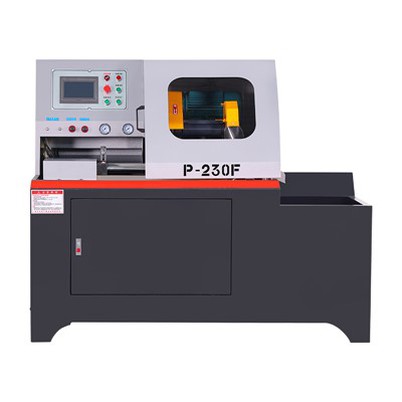
When cutting wood, it's important to choose the right blade. A blade with a high tooth count is great for a smooth finish, while a blade with fewer teeth can cut faster but may leave a rougher edge. For most general wood - cutting tasks, a blade with around 40 - 60 teeth is a good choice. And if you're cutting thicker pieces of wood, make sure your circular saw has enough power to handle it. Our Circular Saw Cutting Machine is designed to cut through different types of wood with ease, thanks to its powerful motor and sharp blades.
Metal
Yes, you heard it right. Circular saws can cut metal too! But not all circular saws are created equal when it comes to metal cutting. You need a specialized circular saw with a metal - cutting blade. These blades are made of high - speed steel or carbide - tipped teeth that can withstand the heat and abrasion generated when cutting through metal.
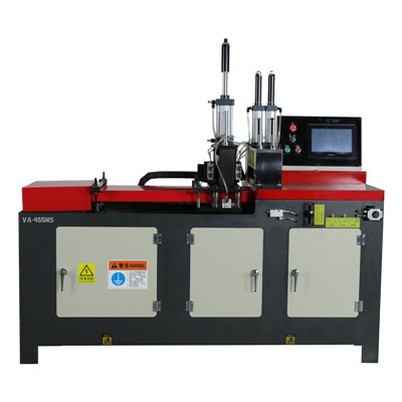
Aluminum is one of the easier metals to cut with a circular saw. It's lightweight and doesn't generate as much heat as other metals. Steel, on the other hand, is a bit more challenging. You need a more powerful saw and a blade specifically designed for cutting steel. Our Industrial Circular Saw Machine is equipped with high - quality metal - cutting blades that can cut through various types of metals, including stainless steel and mild steel. Whether you're in a metal fabrication shop or doing some home - based metalworking, this machine can be a real game - changer.
Plastic
Plastic is another material that circular saws can handle. There are different types of plastics, such as PVC, acrylic, and polycarbonate, and each requires a slightly different approach. When cutting plastic, you want to use a blade with a fine tooth count to prevent chipping and melting.
PVC pipes are commonly cut with circular saws. In plumbing projects, being able to quickly and accurately cut PVC pipes to the right length is essential. Our Circular Saw Pipe Cutting Machine is specifically designed for cutting pipes, including PVC pipes. It has a stable base and a sharp blade that can make clean cuts without deforming the pipe.
Concrete and Masonry
For those heavy - duty jobs, circular saws can also cut through concrete and masonry. However, this requires a diamond - tipped blade. Diamond is one of the hardest materials on Earth, making it perfect for cutting through the tough surfaces of concrete, bricks, and tiles.

In construction projects, cutting concrete slabs or bricks is often necessary for creating openings or fitting in new structures. A circular saw with a diamond - tipped blade can make these cuts relatively quickly. But it's important to take safety precautions when cutting concrete, as it generates a lot of dust. Wearing a dust mask and safety goggles is a must.
Composites
Composites are materials made by combining two or more different materials. Examples include fiberglass, carbon fiber, and particleboard. Circular saws can cut through composites, but again, the right blade is crucial.
Fiberglass, for instance, can be a bit tricky to cut because the fibers can fray if the blade isn't sharp enough. A blade with a special tooth geometry can help prevent fraying and make a clean cut. Particleboard, which is made of wood particles glued together, can be cut like regular wood, but you need to be careful not to chip the edges.
Ceramics
Ceramics are brittle materials, but circular saws can still cut them. Similar to cutting concrete, a diamond - tipped blade is required. When cutting ceramics, it's important to use a slow cutting speed to prevent the material from cracking.
In the tile - installation industry, circular saws are used to cut tiles to fit around corners or in specific spaces. The precision of a circular saw can ensure a perfect fit for a professional - looking finish.
How to Choose the Right Blade for Different Materials
As I've mentioned several times, choosing the right blade is key to getting a good cut. Here are some general guidelines:
- For wood: As I said earlier, a blade with 40 - 60 teeth is good for most general wood - cutting. If you're cutting veneered wood, a blade with a higher tooth count will give a smoother finish.
- For metal: High - speed steel or carbide - tipped blades are essential. The number of teeth depends on the thickness and type of metal. Thicker metals may require a blade with fewer teeth for faster cutting.
- For plastic: A fine - tooth blade will prevent chipping and melting. You can also use a blade with special anti - friction coatings.
- For concrete and masonry: Diamond - tipped blades are a must. Make sure the blade is designed for the specific type of masonry you're cutting.
- For composites and ceramics: Specialized blades with unique tooth geometries are needed to get a clean cut without damaging the material.
Maintenance and Safety
No matter what material you're cutting, proper maintenance of your circular saw is crucial. Keep the blade sharp by regularly checking and replacing it when it gets dull. Clean the saw after each use to prevent dust and debris from building up, which can affect its performance.
Safety should always be your top priority. Wear safety goggles, ear protection, and a dust mask when operating a circular saw. Make sure the workpiece is securely clamped down to prevent it from moving during cutting. And always follow the manufacturer's instructions for operating the saw.
Conclusion
As you can see, circular saw machines are incredibly versatile tools that can cut through a wide variety of materials, from wood and metal to plastic, concrete, composites, and ceramics. Whether you're a DIY enthusiast or a professional in the construction, metalworking, or woodworking industry, having a reliable circular saw can make your projects a whole lot easier.

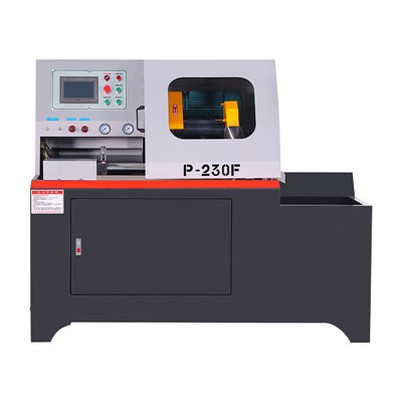
If you're in the market for a circular saw machine, we've got you covered. Our range of Circular Saw Pipe Cutting Machine, Industrial Circular Saw Machine, and Circular Saw Cutting Machine are designed to meet different cutting needs. If you have any questions or want to discuss your specific requirements, don't hesitate to get in touch. We're here to help you find the perfect circular saw machine for your projects.
References
- "Handbook of Materials Selection" by Michael F. Ashby
- "The Complete Guide to Circular Saws" by DIY Magazine